
TL;DR
Before approving a motorcycle parts shipment, buyers should compare the finished parts with the approved sample or drawing, check fitment-related dimensions and weld positions, review surface finish, verify the complete hardware kit, confirm labels and packaging, and keep inspection photos and records.
A shipment should be released against a clear production reference rather than a product name or appearance alone. This is especially important for model-specific motorcycle rear racks, crash bars, Three Wheeler Spare Parts and other custom tubular metal parts.
Why Pre-Shipment Inspection Matters
Pre-shipment inspection is the final review before products leave the factory. It connects the approved sample, drawing, product version, finish, hardware kit and packing reference.
A part may look correct in a product photo but still have a different mounting-hole position, bracket angle, surface condition or hardware combination. These differences can create installation problems, warehouse confusion and after-sales questions after the shipment arrives.
Inspection should therefore compare the finished product with the information that was approved before production. The buyer and factory should use the same sample revision, product identification and packing requirements throughout the review.
Confirm the Approved Product Reference
Start with the reference used for production. This may be an approved sample, a 2D drawing, a 3D file, a marked product photo or another confirmed reference.
Check that the reference identifies the correct product type and vehicle application. For a model-specific motorcycle part, record the motorcycle brand, complete model name, production year and sales-market version where available. For a Three Wheeler Spare Part, also identify the body configuration and intended use.
The reference should also show the required finish, hardware arrangement, labels and packaging details. If several similar rear racks, crash bars or guards are included in one order, each product version should have a clear identification method.
Do not release a shipment when the finished product cannot be matched to the approved reference. If the drawing, sample or product version has changed, record the revision before continuing the inspection.
Check Critical Dimensions and Fitment Points
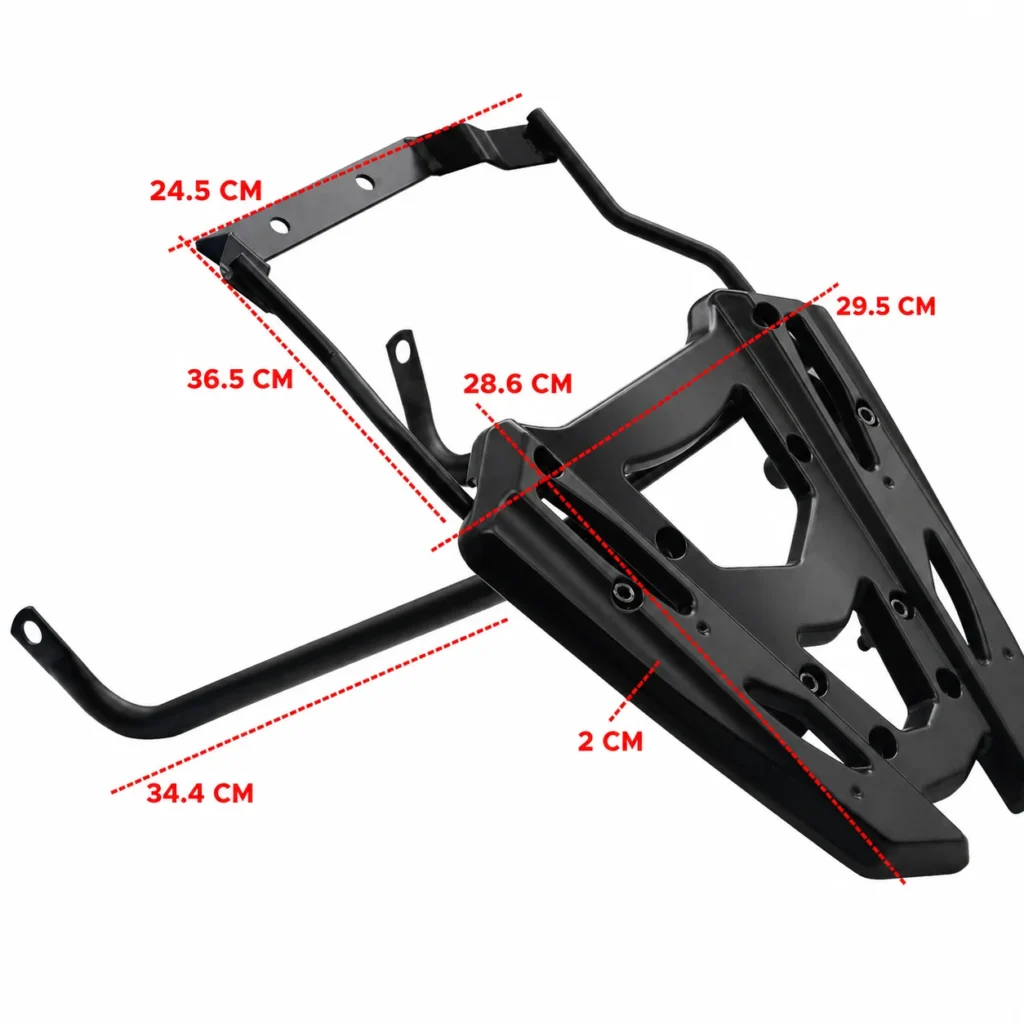
Dimensions that affect installation should be checked against the approved drawing, sample or inspection requirement. Depending on the product, these may include mounting-hole distance, bracket position, tube route, bend angle, overall width, product flatness and left-to-right symmetry.
For model-specific rear racks and crash bars, pay special attention to the mounting points. A small change in hole distance or bracket position can affect whether the part reaches the original motorcycle mounting locations naturally.
Where practical, fit the approved inspection sample or a finished reference part to the target motorcycle or vehicle. Check the position of the brackets, the available clearance and the relationship between the part and nearby body panels or accessories.
Do not invent numerical acceptance limits during inspection. Any required tolerance or clearance value should come from the approved drawing, buyer specification or confirmed inspection requirement.
The XCMOTOPARTS quality-control information identifies mounting-hole distance, bending angle, product flatness and left-right symmetry as relevant inspection items.
Inspect Weld Positions, Brackets and Product Structure
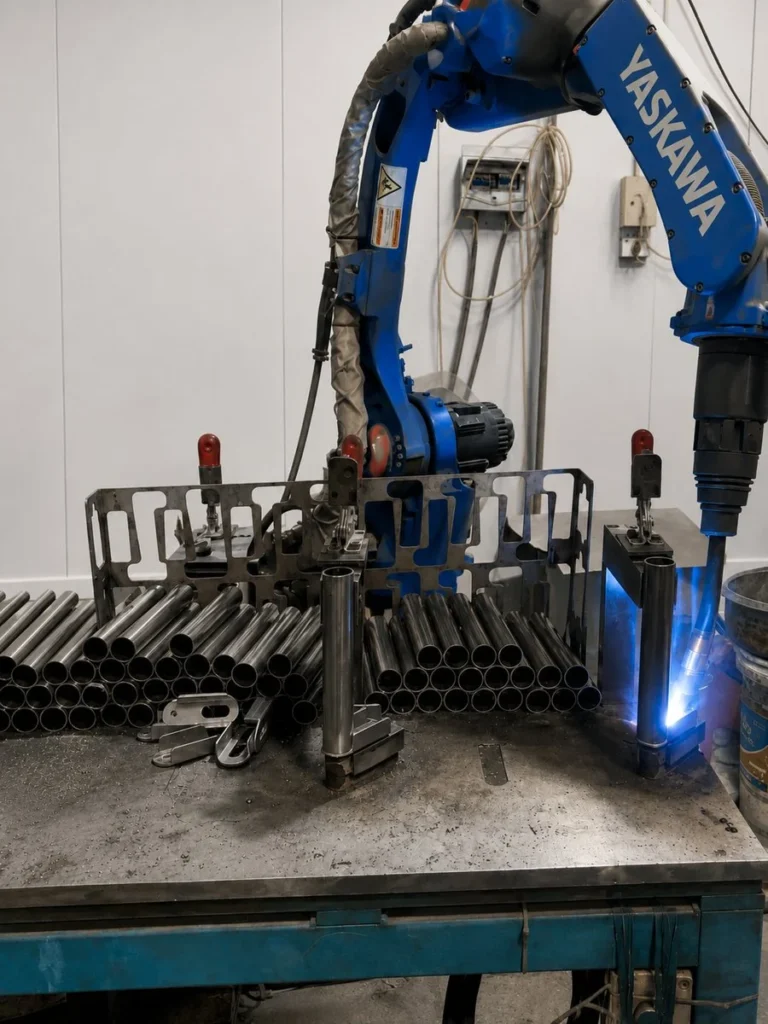
Inspect the structure after welding and compare it with the approved product reference. Check whether brackets are located in the correct position, whether tube joints follow the intended route and whether the product remains stable and symmetrical.
For tubular motorcycle parts, tube cutting, bending, notching, fixture positioning and welding can all affect the final structure. A fixture can help hold a repeated position, but the finished part still needs to be checked against the approved dimensions and mounting requirements.
Look for visible problems such as a displaced bracket, an incomplete connection, an incorrect left- or right-specific part, a damaged tube end or a structure that no longer sits flat. Record the condition before any repair or modification is made.
Weld appearance alone does not prove fitment. A product with an acceptable-looking weld may still have an incorrect hole position or bracket angle. The structural and installation review should therefore be completed together.
Review Surface Finish, Flatness and Visible Damage
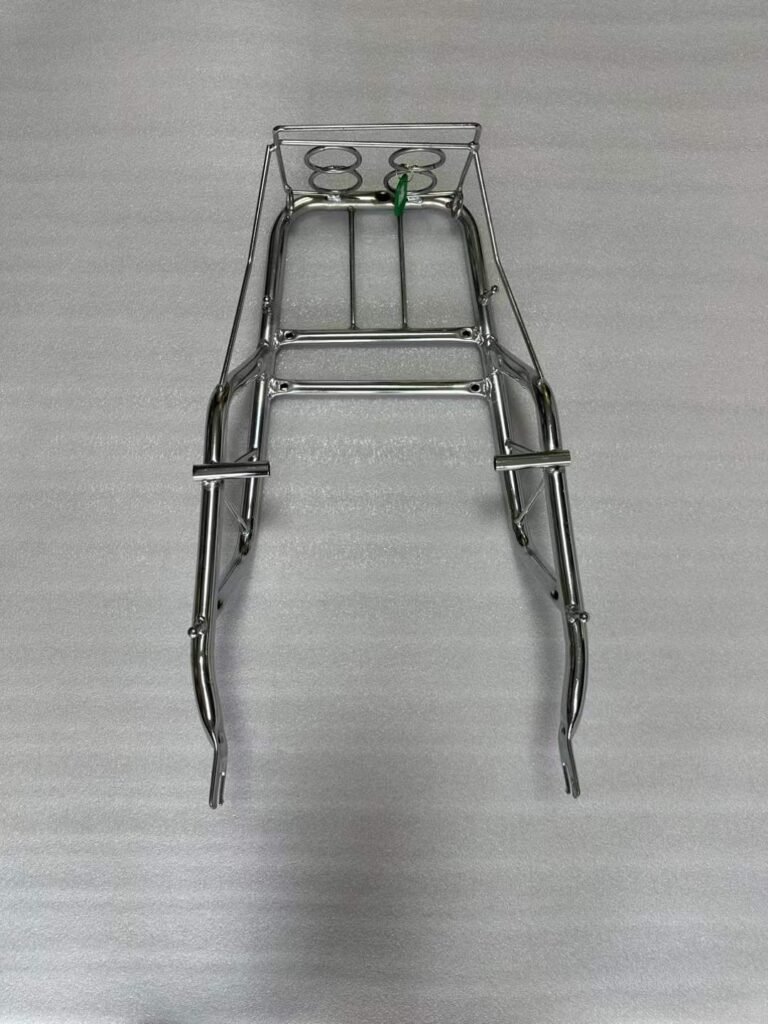
Review the surface finish under clear lighting. Check the areas that are visible to the buyer, as well as mounting holes, threads, bracket contact surfaces and other locations that may be affected by surface treatment.
Depending on the confirmed requirement, inspect for scratches, peeling, exposed areas, uneven coverage, contamination, handling marks and damage caused during packing. If the buyer has provided a finish sample or reference image, compare the shipment against that reference.
Surface finish should not hide a structural or fitment issue. A part should not be approved only because the coating looks consistent if the mounting points, brackets or hardware do not match the approved version.
Packaging protection is also part of finish control. Products with exposed contact surfaces or painted areas may require suitable separation or protection inside the carton.
Verify the Complete Hardware Kit
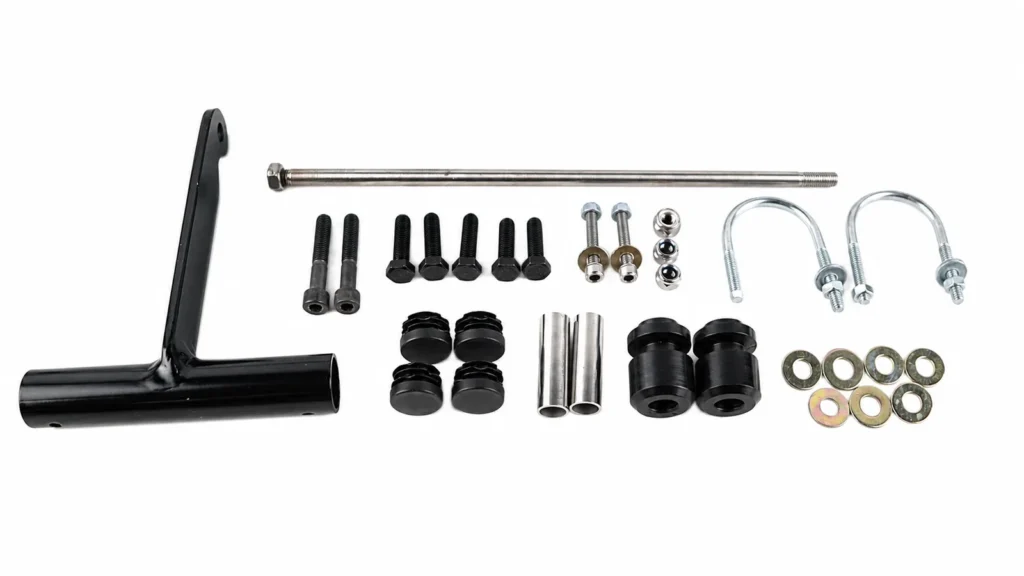
Review the hardware kit as part of the product, not as a separate afterthought. Depending on the design, the kit may include bolts, nuts, washers, spacers, clamps, brackets and left- or right-specific components.
Compare the supplied items with the approved hardware list. Check the quantity, size, length and intended position of similar-looking fasteners. Confirm that each model-specific product receives the correct hardware bag.
Left and right brackets should be identified clearly. Different product versions should not share an unclear hardware bag when the parts have different mounting requirements.
A correct rack or crash bar can still create an installation problem if one spacer, bracket or bolt is missing or assigned to the wrong position. Keep a hardware-kit photo or checklist with the inspection record.
Confirm Product Labels and Model Identification
Check the product label, carton mark and any hardware-bag identification against the approved order information. The label may include the product name, buyer part number, motorcycle or Three Wheeler model, version, finish, quantity or private-label information.
Make sure the label is readable and attached to the confirmed location. If several similar products are packed together, the identification should help the buyer separate them during receiving and warehouse handling.
Do not rely on memory when checking labels. Use the approved packing reference or buyer-provided artwork so that model information, product codes and quantity details remain consistent.
Check Quantity, Carton Condition and Packaging
Confirm the quantity prepared for shipment and compare it with the packing requirement. Check the pieces per carton, carton marks, model labels, hardware-bag arrangement and any private-label instructions.
Inspect the carton condition and the protection around the product. Look for crushed corners, open seals, insufficient separation, exposed parts or a packing arrangement that could allow products to rub against one another.
For orders containing different motorcycle models or product versions, keep the products and hardware sets separated and clearly identified. A correct product can still become difficult to receive if the outer carton does not show which version it contains.
The XCMOTOPARTS packaging-support information describes hardware grouping, labels, carton protection and sample packing review as part of shipment preparation.
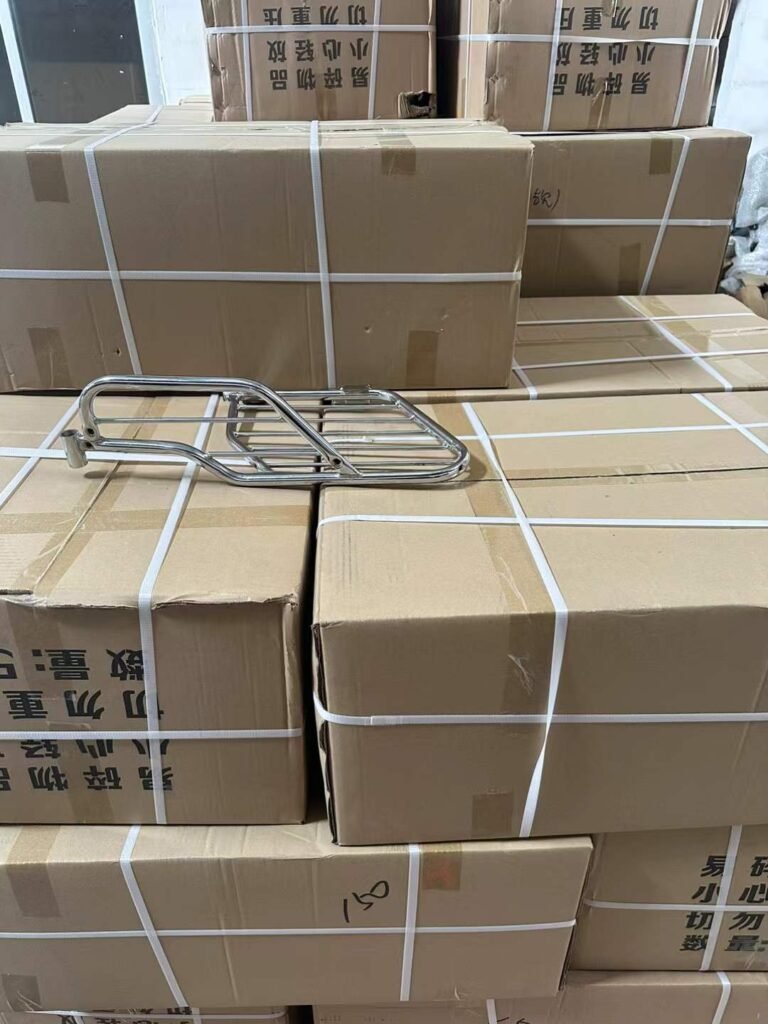
Record Inspection Evidence Before Shipment
Keep a clear record of the inspection result. The record should identify the product, approved revision, inspection date, reviewed items and any issue that requires correction.
Useful evidence may include full-product photos, close-ups of mounting points, dimension references, weld and bracket photos, surface-finish photos, hardware-kit photos, label photos and carton photos.
When an issue is found, record its location and condition before the product is modified. State whether the issue is accepted, corrected, sent for reinspection or held from shipment.
The final release decision should refer to the same approved sample, drawing, hardware list and packing reference used by the factory and buyer. This reduces the risk of approving one version while shipping another.
Motorcycle Parts Pre-Shipment Inspection Checklist
- The approved sample, drawing or product reference is identified.
- The correct motorcycle or Three Wheeler model and version are confirmed.
- Critical dimensions and mounting points match the approved requirement.
- Brackets, tube routes, weld positions and left-right parts are correct.
- The product is flat, structurally consistent and free from recorded defects.
- Surface finish, mounting holes and contact areas are checked.
- The complete hardware kit matches the approved list.
- Labels, quantity, cartons and packing protection are confirmed.
- Inspection photos and the final release decision are recorded.
Frequently Asked Questions
What should buyers check before approving a motorcycle parts shipment?
Buyers should compare the finished parts with the approved sample or drawing, check critical dimensions and mounting points, inspect weld positions and surface finish, verify the complete hardware kit, and confirm labels, quantity and packaging.
Why is the approved sample important during final inspection?
The approved sample provides a common production reference. It helps the buyer and factory compare the finished part with the confirmed structure, mounting points, finish, hardware and packing requirements instead of relying on a general product name or photo.
How can buyers reduce missing hardware and packaging errors?
Use a hardware checklist, identify left- and right-specific parts, separate different model versions, confirm the pieces per carton and keep packing photos with the shipment record.
What inspection evidence should buyers keep after shipment approval?
Keep the product reference, inspection date, full-product photos, critical dimension or mounting-point photos, surface-finish photos, hardware-kit photos, label and carton photos, and a record of any correction or final approval.
Send Your Inspection Requirements to XCMOTOPARTS
For a motorcycle rear rack, crash bar, Three Wheeler Spare Part or custom tubular metal part, send the product reference, motorcycle or vehicle model, approved drawing or sample, inspection requirements, hardware list, finish reference and packaging instructions.
You can also review the Buyer Questions page for information about fitment, inspection, hardware and packaging, or view the XCMOTOPARTS product categories before submitting your requirement.
Clear inspection information helps both sides review the finished product, resolve discrepancies and confirm the correct shipment reference before delivery.