Quick Answer
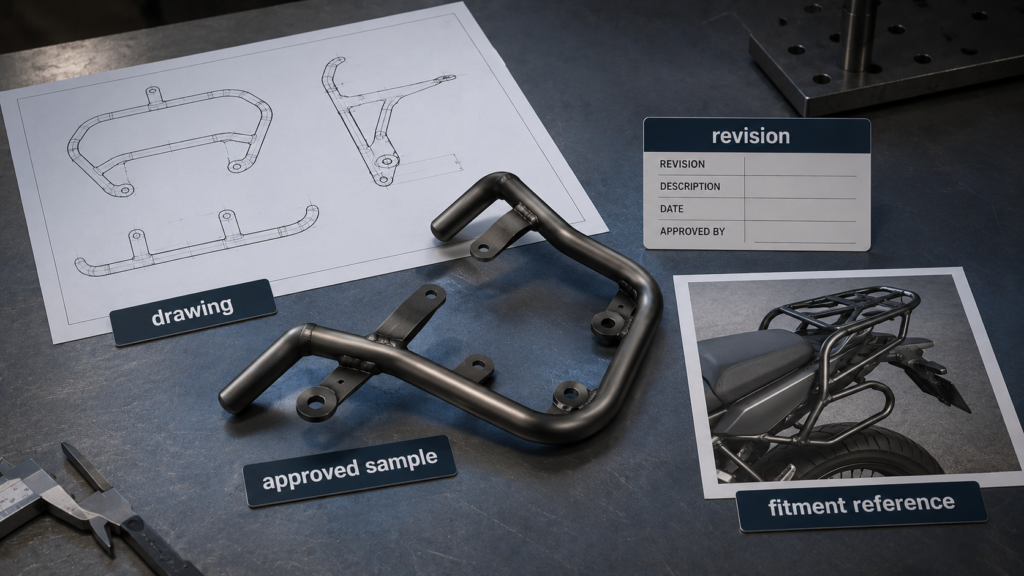
Motorcycle parts batch consistency starts before production. A buyer and supplier need one clearly identified production reference: the approved sample or drawing, the exact application or vehicle version where relevant, critical dimensions, material and finish reference, hardware list, labels, packing method and revision record.
A product name or catalogue photo alone is rarely enough. It may show the general shape, but it normally cannot define hidden mounting interfaces, left/right orientation, clearance, surface-finish expectations, the complete hardware kit or the approved packaging arrangement. The clearer the reference is before a batch starts, the easier it is to review whether the finished parts still match the agreed version.
Why Batch Consistency Starts Before Production
Pre-shipment inspection checks what has already been produced. Batch consistency control starts earlier by defining what the factory is expected to reproduce.
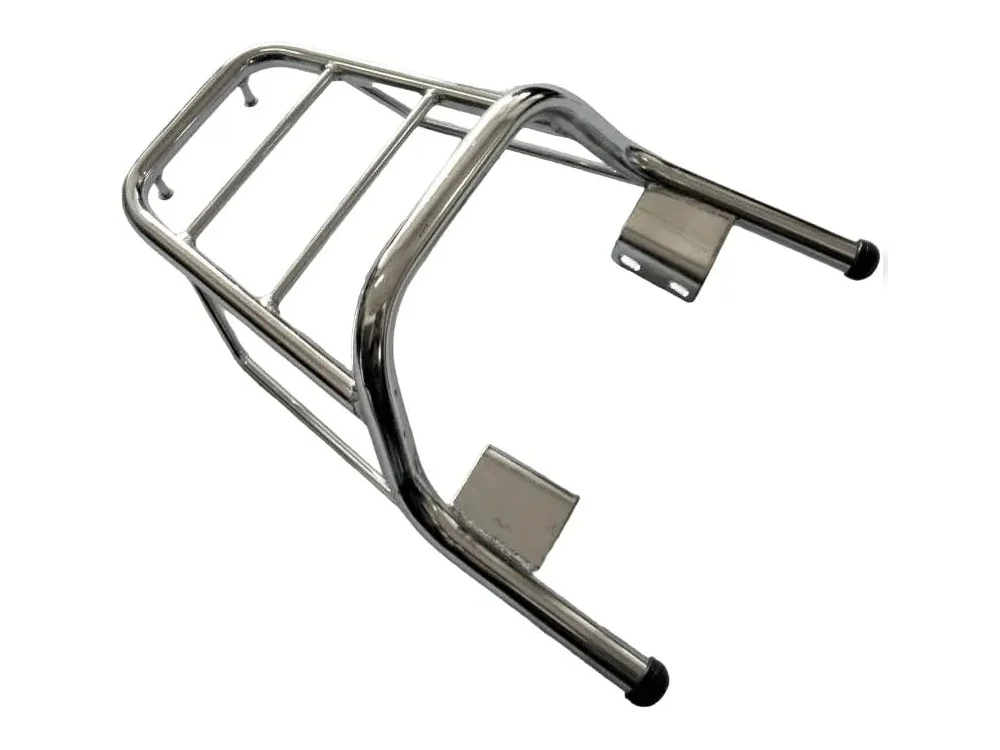
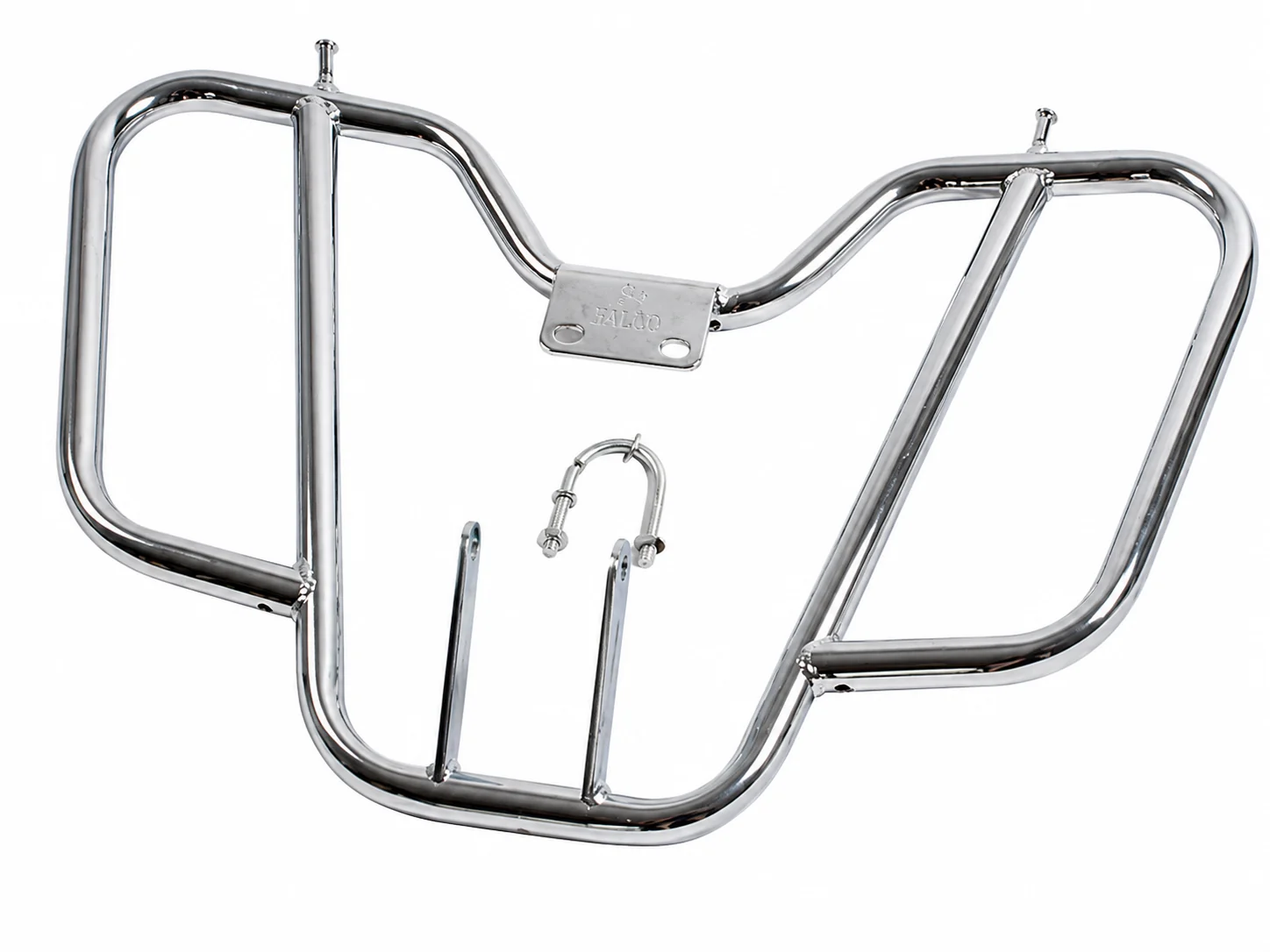
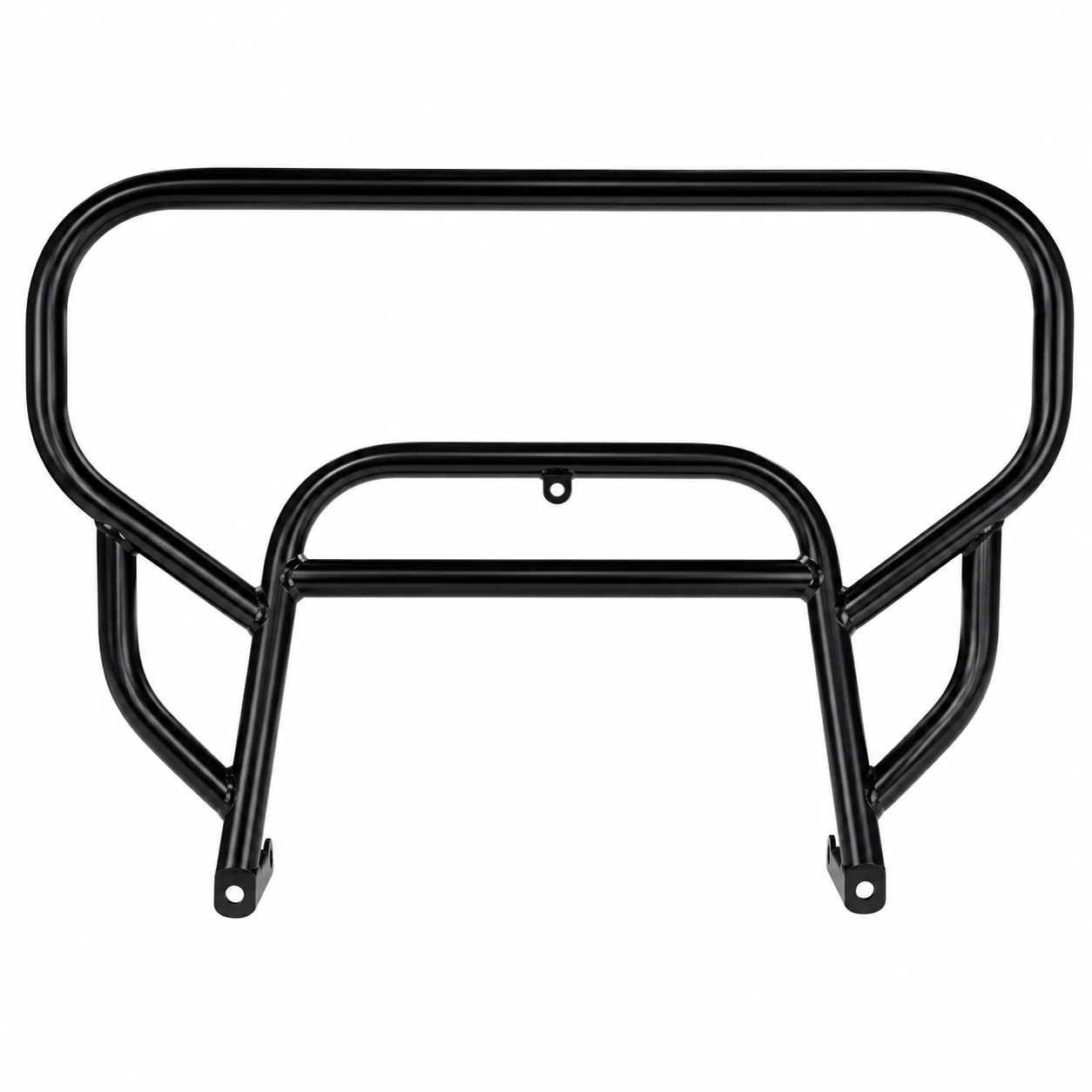
This difference matters for model-specific motorcycle parts, rear racks, crash bars, brackets and other tubular metal components. A part can look similar to an approved sample while a mounting hole, bracket angle, tube route, left/right part, spacer, finish or label has changed.
The goal is to make sure the buyer, supplier, warehouse and after-sales team are all referring to the same product version. For a custom project, buyers can provide drawings, samples, photos or reference dimensions before the production reference is finalized.
Production Reference vs. Product Name or Product Photo
Different references answer different questions:
| Reference | What it can confirm | What it cannot confirm by itself |
|---|---|---|
| Product name | General product scope | Exact version, dimensions, finish, hardware or packing |
| Product photo | General appearance and shape | Hidden interfaces, mounting alignment, revision or complete kit |
| Approved sample | Physical reference for the accepted version | Any later change that was not recorded |
| Drawing or controlled specification | Documented dimensions and interfaces | Unrecorded changes or an unclear revision status |
| Combined sample, drawing and marked photos | A stronger production reference | Details that the buyer and supplier never agreed or recorded |
For a bulk order, use a controlled combination rather than one isolated file. It should be identifiable, dated or assigned a revision, and available to the people reviewing production.
What to Freeze Before a Batch Order
1. Product, Application and Vehicle Reference
Start with the product type and intended application. For a model-specific motorcycle part, record the motorcycle brand, complete model name, production year and market version where relevant. For a Three Wheeler Spare Part, also record the body configuration and intended use.
Do not rely on a model family name alone when different years, market versions or retained accessories can affect fitment. If the part is general-purpose, define the interface that matters instead, such as a mounting pattern, tube connection, bracket position or assembly condition.
2. Approved Sample, Drawing and Revision
Give the approved reference a clear name, date or revision identifier. State whether it is a physical sample, a 2D drawing, a 3D file, marked photographs or a combination of these references. If an updated drawing follows an approved sample, identify the change instead of leaving it in a message thread.
If the sample and drawing conflict, stop and identify which reference controls the production version.
A new requirement should become a new or updated revision before it becomes the batch reference. See the custom drawing and sample development process for the type of reference information a project can provide.
3. Fixture, Orientation and Left/Right Definition
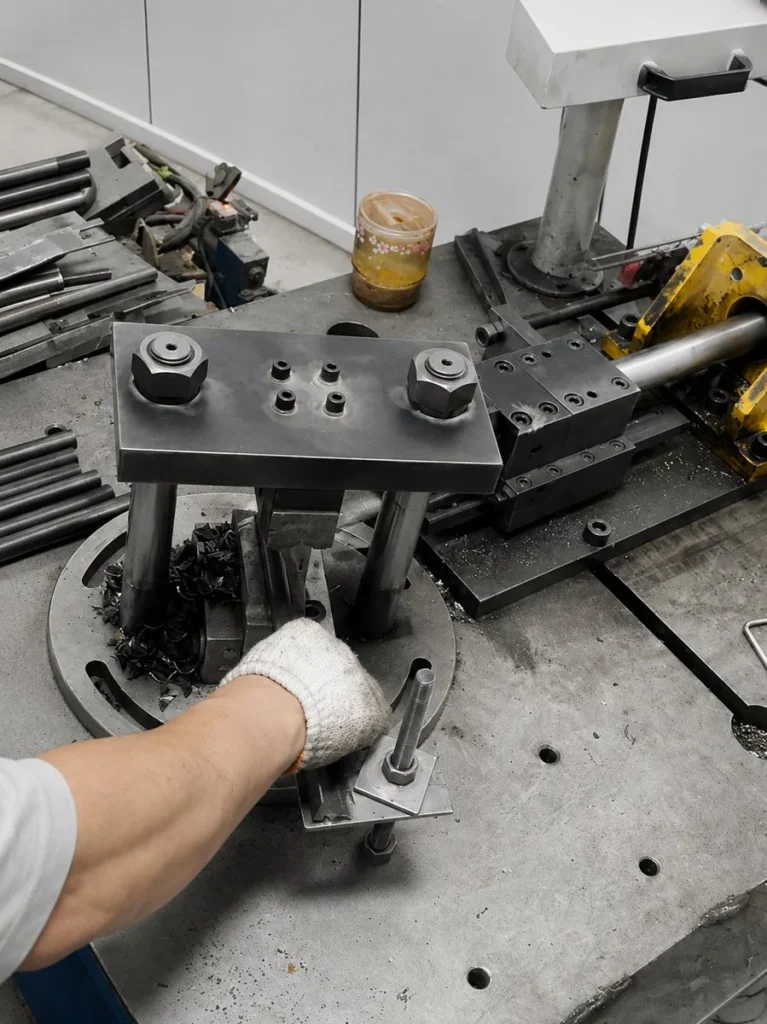
Tubular parts and brackets often depend on how the part is positioned during forming, drilling, welding or fitment review. Define left/right parts, front/rear direction, mating interfaces, symmetry requirements and any area that must remain clear during installation.
The buyer does not need to prescribe a fixture method; identify the positioning reference that controls the result. Mark left and right in the drawing and product or packing reference.
4. Critical Dimensions and Fitment Points
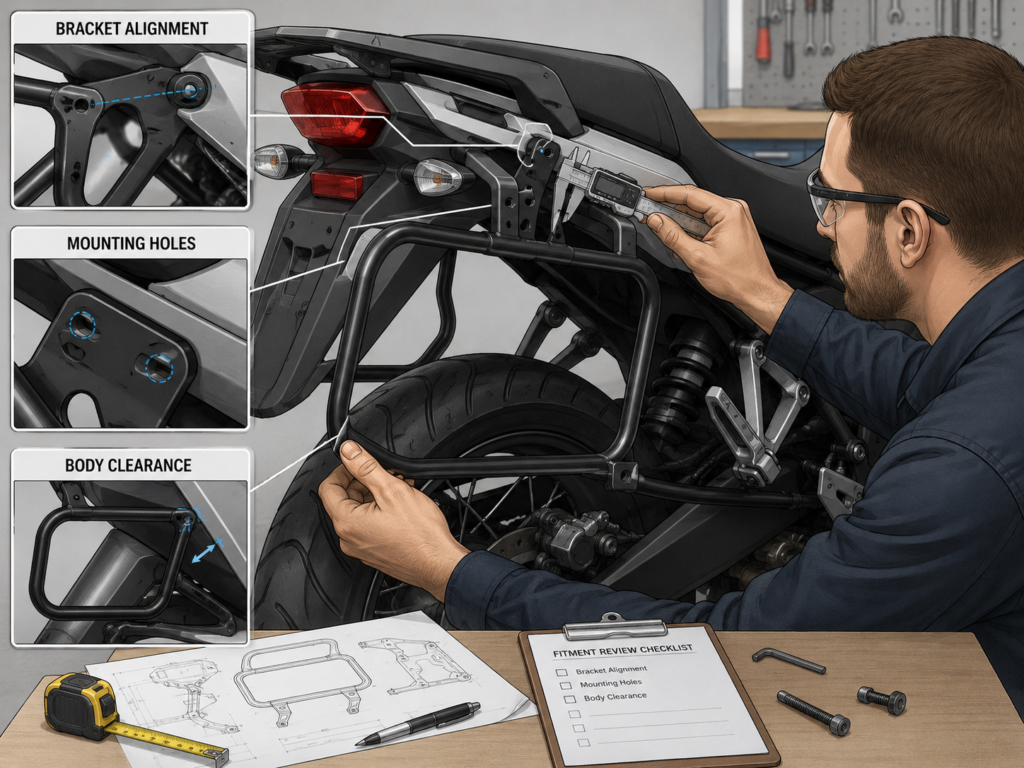
Separate critical dimensions from general dimensions. Depending on the product, critical points may include mounting-hole distance, bracket position, tube route, clearance, overall width, bend angle, hole diameter or left-to-right position.
The relevant dimensions are the ones that control installation and interface with the vehicle or adjacent component. Compare them with the approved drawing or sample using a measuring tool, fixture or reference scale. If a bracket has to be forced into position, record the issue.
Do not add a tolerance or accuracy figure simply because it sounds precise. Define the required precision before sample or tooling development, and use only the dimension and acceptance language agreed for the project.
5. Material and Surface-Finish Reference
Material and finish should be part of the production reference, not an informal description added after the metal part is approved. Terms such as “metal,” “black” or “matte” may be too broad for a repeatable batch reference.
Record the agreed material description, finish or coating type, color or surface sample where relevant, and the visible condition expected at receiving. State whether the finish applies to the full part or to specific areas.
See the material options and process information when preparing the finish reference. The key issue is keeping the accepted finish reference unchanged across the batch unless a revision is approved.
6. Hardware, Labels and Packing Reference
Approve the complete set that the buyer will receive, not only the main metal part. Record bolts, washers, spacers, clamps, brackets and side-specific accessories where applicable.
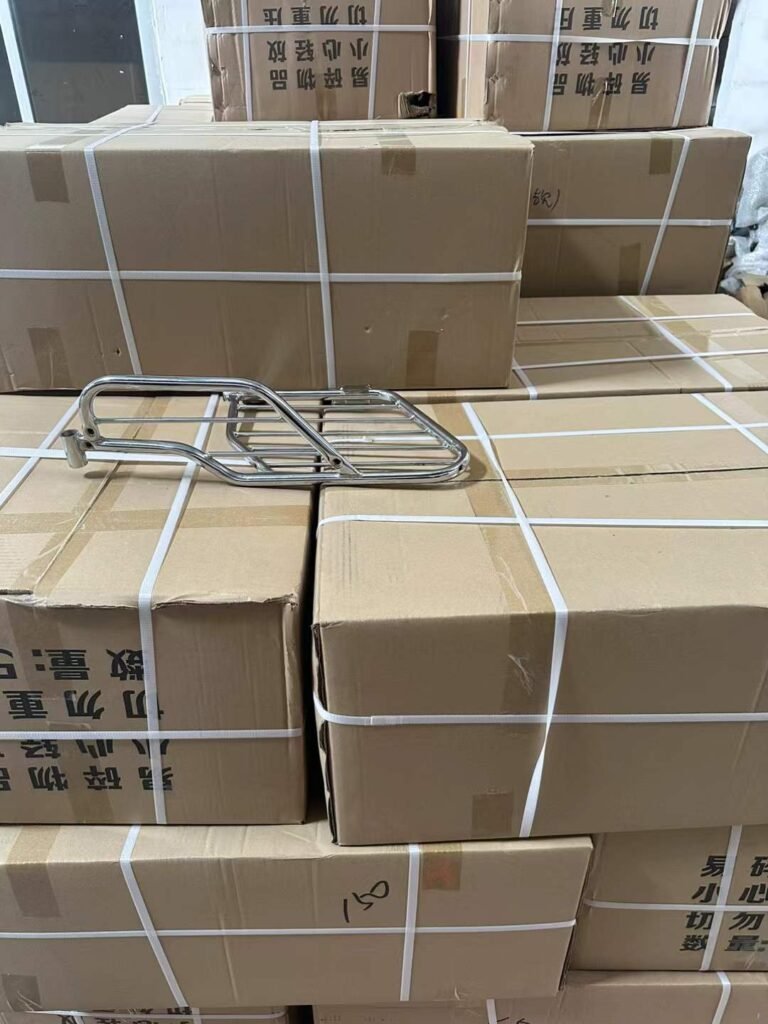
Define the product label, carton mark, protective material and packing arrangement that help the warehouse identify the correct version. If similar parts share one carton or hardware is packed separately, make that arrangement clear before production.
An unrecorded hardware substitution can create an installation problem even when the main part looks correct. A missing spacer, mixed left/right bracket or unclear label can also turn a receiving problem into an after-sales problem.
7. First-Off Review and Production Evidence
Before releasing a full batch, compare the first production reference with the approved version. The review should cover the points that control the buyer’s risk: application, revision, critical dimensions, fitment, finish, hardware, labels and packing.
Where available, retain relevant photographs and inspection records that identify the product, revision and review date. If a deviation is accepted, record the accepted change and update the reference before production continues.
The form or sampling plan can vary, but the buyer and supplier should know what was reviewed, which version was reviewed and whether the result was accepted, corrected or still open.
A Decision Path When the Reference Is Incomplete
Use this sequence before releasing a bulk order:
- If the exact application or vehicle version is missing, request it before production starts.
- If the sample and drawing conflict, identify the controlling revision.
- If critical dimensions or interfaces are missing, request marked measurements or a clearer reference.
- If the material or finish is described only as “metal” or “black,” request a usable material or surface reference.
- If hardware, labels or packing are not listed, request the complete approved arrangement.
- If a change is accepted, record the new revision before the changed version becomes the batch reference.
This prevents a common problem: the buyer thinks the factory is reproducing the sample, while the factory is working from a later drawing, message or packing instruction.
Common Buyer Mistakes
- Approving a batch from a product name or catalogue image alone.
- Sending an older drawing together with a newer sample without identifying the difference.
- Treating a finish name as a complete surface-finish specification.
- Omitting left/right identification or accessory conditions.
- Approving the metal part but not the hardware, label or packing reference.
- Changing a requirement in a message without updating the controlled reference.
- Asking for “the same as last time” without identifying the order, sample or revision.
Frequently Asked Questions
What Is a Production Reference for Motorcycle Parts?
A production reference is the approved sample, drawing, specification, marked photograph or controlled combination used to reproduce and review a batch. It identifies the product version and the requirements that affect fitment, appearance, hardware and packing.
Can a Product Photo Be the Only Production Reference?
A photo can show general appearance and shape, but it normally cannot establish hidden interfaces, critical dimensions, revision status, the complete hardware kit or packing. Use it with the reference information needed for the specific product.
Why Should Buyers Record a Revision Before Bulk Production?
An unrecorded change can leave the buyer, factory, warehouse and after-sales team working from different versions. A revision gives the production review a shared point of reference.
What Should Buyers Retain After a Production Review?
Retain the approved reference, revision, application information, relevant photographs, hardware and packing confirmation, and any accepted deviation. The exact record format can vary, but the product version and review result should remain clear.
Plan the Next Production Discussion
When requesting a quote or preparing a batch review, send the product type and application, exact vehicle reference where relevant, approved drawing or sample, marked photographs, critical dimensions and fitment points, material and finish reference, expected quantity, hardware list, label requirements and packing requirements.
If you are developing a custom tubular component, review the OEM process and development options and the relevant custom metal parts information. For a project discussion, use the contact and quote path and send the reference package together with your inquiry.
The earlier the approved reference is made clear, the easier it is to keep production, inspection, receiving and installation teams aligned on the same motorcycle-parts version.